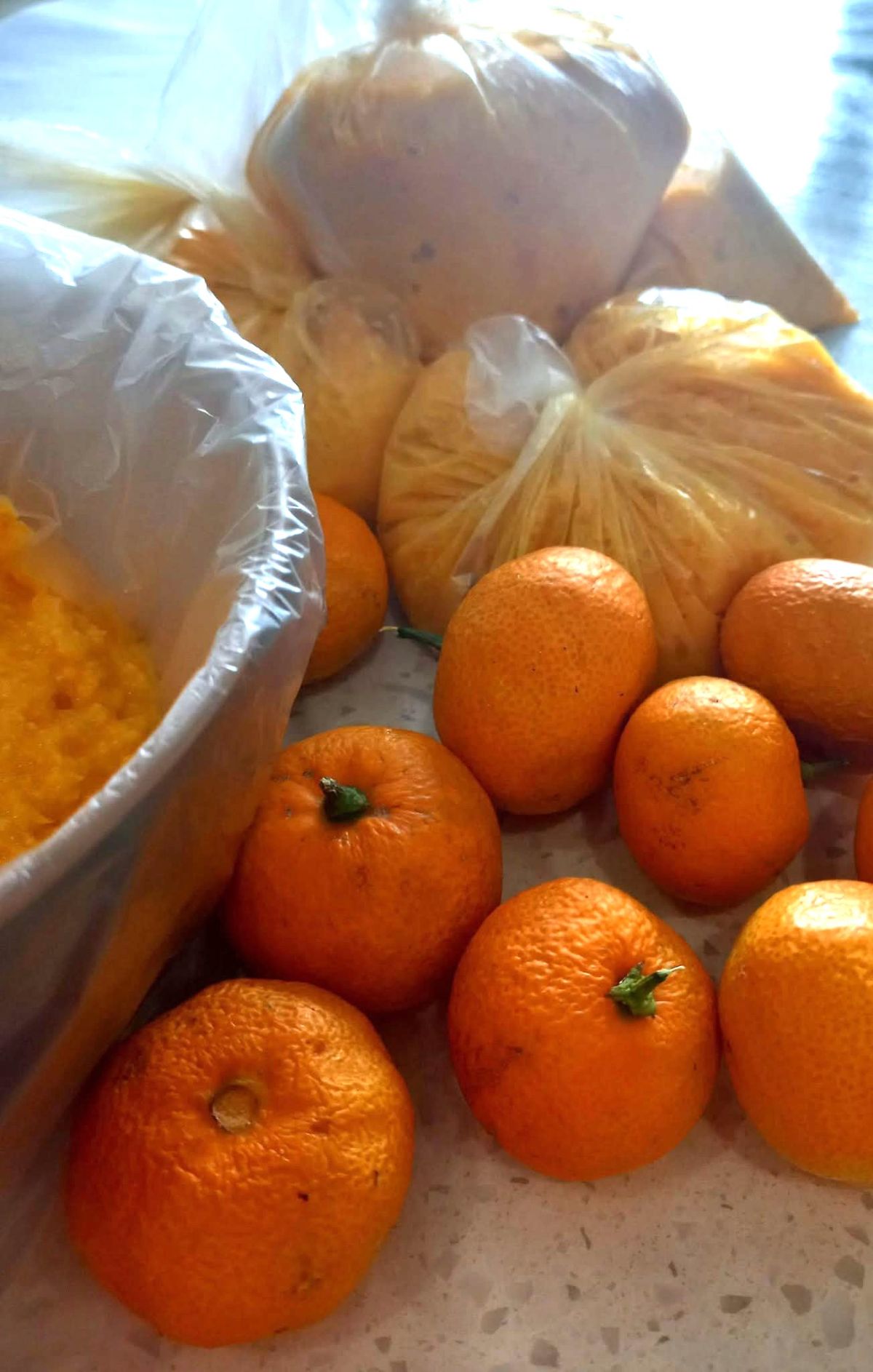
It’s mandarin season, and right now my citrus orchard is producing beautiful Corsica 2 mandarins. They ripen through June and July here in New Zealand and, in my opinion, a wonderful bonus as I finished harvesting my Satsuma tree several months ago.
Corsica mandarins are juicy, easy to peel, and wonderfully sweet… the only downside is that they do contain a few seeds. Fortunately, those are easy enough to remove.
Why Use the Whole Mandarin?
When most people think of citrus baking, they think of using the juice or perhaps a little zest. I prefer to use the entire fruit. The peel contains incredible flavour and aroma, while the flesh provides moisture and natural sweetness. By using the whole mandarin, you get a much richer citrus flavour than you would from juice alone. The result is a fragrant puree that adds depth and character to cakes, slices, muffins, and desserts.
Making Mandarin Puree
The process couldn’t be simpler.
- Wash the mandarins thoroughly. Then cut out the small stem end where the fruit was attached to the tree.
- Cut each mandarin into quarters. This makes it easy to spot and remove any seeds. I use a small peeling knife to flick them out as I go.
- Once the seeds are removed, everything else goes into the blender. The peel, flesh, juice and all.
A quick blitz creates a thick, fragrant pulp. I don’t blend it completely smooth because I like a little texture from the peel. The tiny pieces soften beautifully during baking and add character to the finished product.
Baking with Mandarin Puree
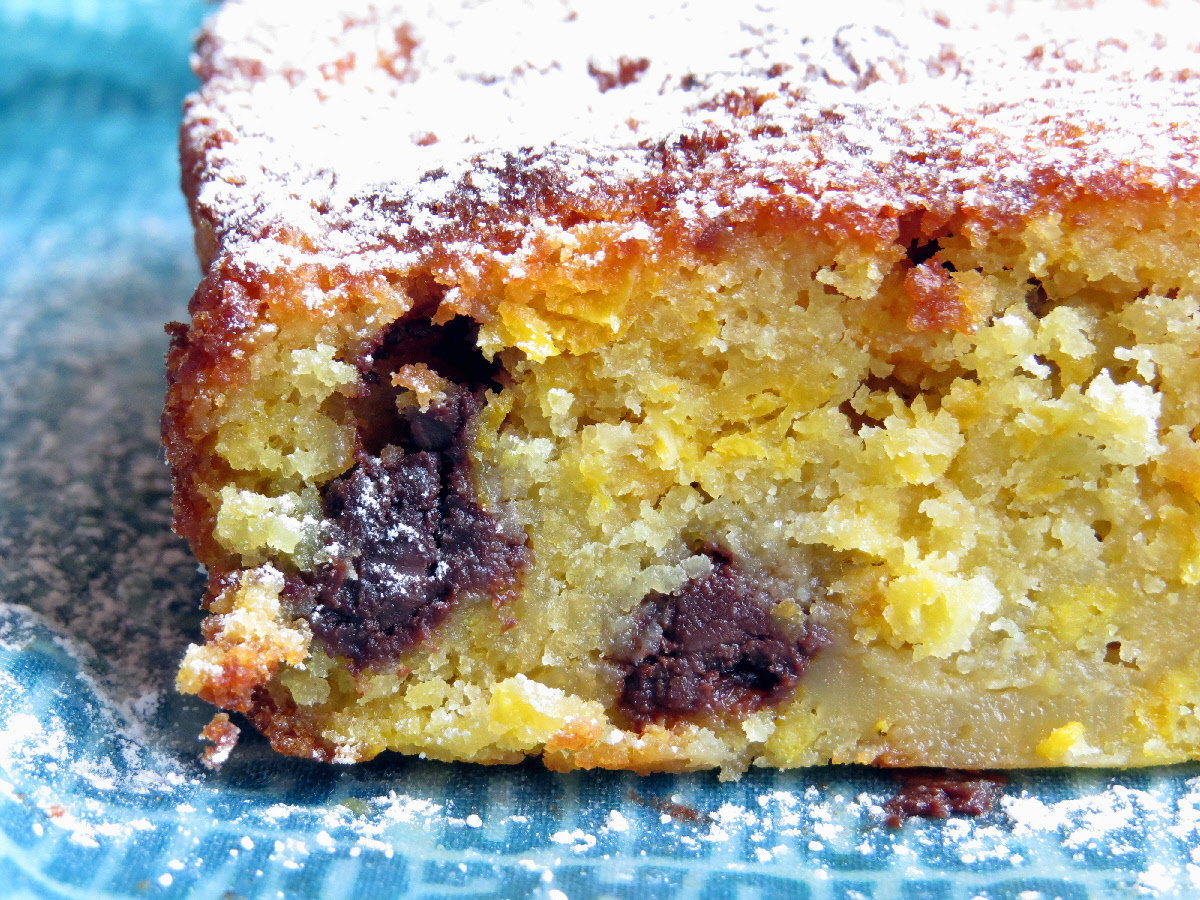
I’ve found that because mandarin puree is relatively dense, it works best in bakes that are naturally moist and rich (so stay away from light sponges! One of my favourites is my Almond Mandarin Slice. The almond meal pairs perfectly with the citrus flavour, creating a wonderfully moist texture and a beautiful balance of sweetness and tang… and yes, it has dark chocolate too which is a bonus!
Carrying on the chocolate theme, another popular option is my Mandarin Jaffa Cake. It can be made as a full cake or divided into individual servings. The combination of mandarin and chocolate is hard to beat.
Once you start experimenting, you’ll find plenty of ways to use the puree in muffins, loaf cakes, puddings and dessert slices. In fact, I have a Mandarin Coconut Butter Cake in the oven as I write this (and it’s smelling divine)!

Preserving the Harvest
As much as I enjoy mandarins, there comes a point where there are simply too many to eat fresh. That’s where freezing comes in. After making the puree, I measure it into one-cup portions because that’s the quantity I most often use in recipes. Each portion goes into a freezer bag, ready to be pulled out whenever I feel like baking.
You could just as easily use silicone muffin trays or other moulds. The important thing is to freeze the puree in quantities that make sense for the way you cook. There’s nothing worse than defrosting a large container when you only need a small amount.
Having mandarin puree ready to go in the freezer makes winter baking incredibly easy. The portions thaw easily on the kitchen bench and retain their flavour beautifully. It means that even after mandarin season has passed, I can still enjoy the taste of fresh citrus in my baking.
It’s one of those simple habits that saves time, reduces waste, and helps make the most of a seasonal harvest. And if your mandarin trees are producing more fruit than you can possibly eat, turning them into puree might just become a new thing for your to-do list!