Turn your home-dried Lime Zest into something extraordinary. If you’ve gone to the effort of dehydrating and powdering your own lime zest, don’t let that beautiful ingredient sit forgotten in the pantry.
Lime powder is one of those pantry ingredients that doesn’t look particularly exciting until you start using it. The flavour is incredibly concentrated, the aroma is amazing, and a little goes a surprisingly long way. Best of all, because it’s completely dry, it stores beautifully in an air-tight container.
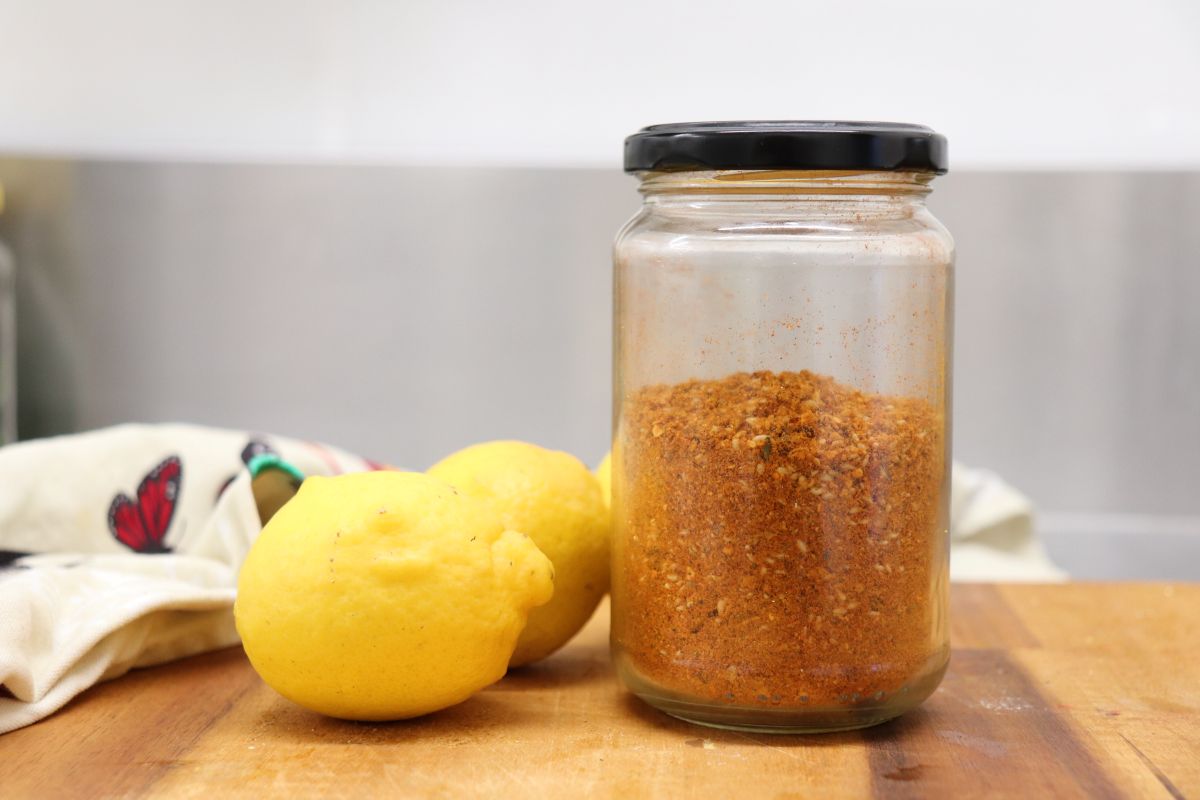
After making a batch recently, I decided it deserved to become the hero of its own seasoning blend. The result? A smoky, citrusy seasoning that’s equally at home on fish, chicken and roast vegetables.
Why make your own seasoning? Making your own spice blends is surprisingly satisfying. You know exactly what’s gone into the jar. There are no anti-caking agents, unnecessary fillers, preservatives or hidden sugars — just real ingredients blended to suit your own taste. Better still, you can tweak every batch. Prefer it hotter? Add more chilli. Want it smokier? Increase the paprika. Like more citrus? Simply add more lime powder. That’s the beauty of homemade.
Lime has a completely different personality from lemon. It’s sharper, brighter and slightly more tropical. That fresh citrus zing cuts beautifully through richer foods like chicken, fish and roasted vegetables.
The smoked paprika brings warmth without overpowering the lime, while toasted sesame adds a lovely nutty depth. Everything supports the lime rather than competing with it.
Smoky Lime Zest Seasoning
Ingredients
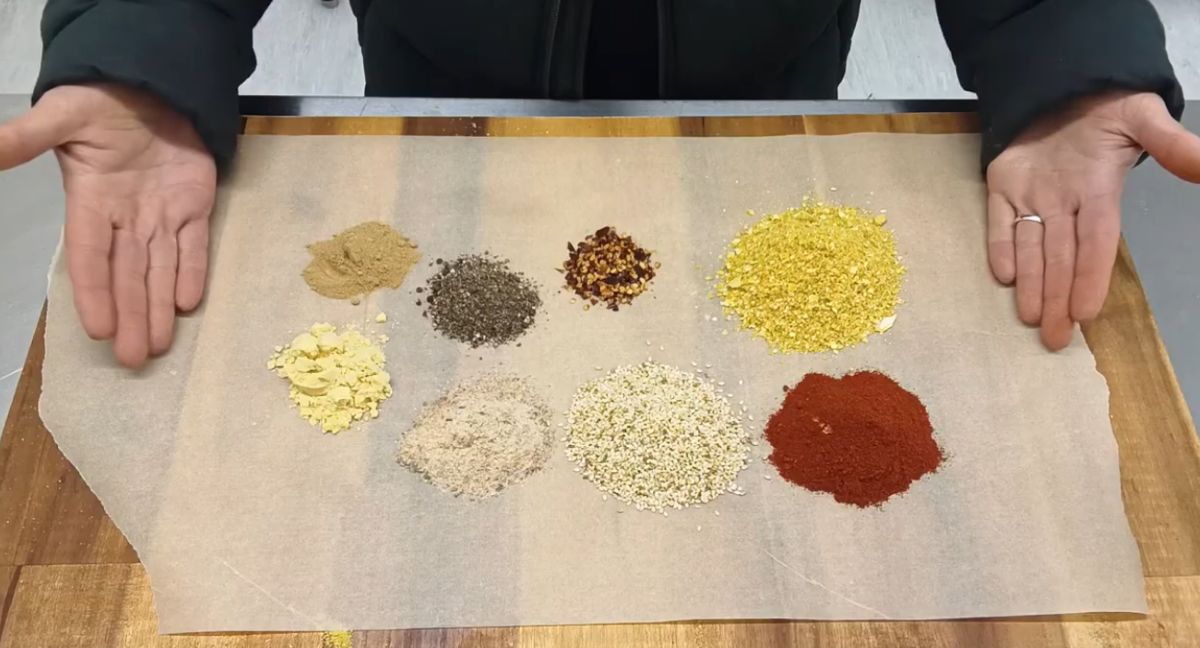
- 4 Tbsp lime zest powder
- 2 Tbsp smoked paprika
- 2 Tbsp toasted sesame seeds
- 1 Tbsp flavoured salt (mine contains a blend of herbs and spices)
- 2 tsp mustard powder
- 2 tsp freshly ground black pepper
- 1 tsp chilli flakes
- 1 tsp ground ginger
Method
- Combine all the ingredients thoroughly in a bowl.
- You can leave the seasoning slightly coarse for texture, or pulse everything in a spice grinder or food processor for a finer finish. This breaks down the sesame seeds and chilli flakes a little more and produces a beautifully even seasoning.
- Store in a clean, airtight glass jar.
Why Toast the Sesame Seeds?
If you’ve never toasted sesame seeds before, it’s well worth the extra couple of minutes. Toasting releases the natural oils inside the seeds, making them far nuttier and more aromatic than using them straight from the packet. Once they’re cooled, they’re ready to mix into your seasoning. It’s a small step that makes a noticeable difference.
Ways to Use Your Smoky Lime Seasoning
This blend is incredibly versatile.
Try sprinkling it over:
- Fish before pan-frying or baking
- Chicken breasts, thighs or drumsticks
- Roast potatoes and kumara
- Pumpkin and carrots
- Corn on the cob
- Homemade wedges
- Grilled vegetables
- Popcorn
- Avocado on toast
- Scrambled eggs
- Halloumi
- Homemade chips
It also makes a wonderful addition to mayonnaise or Greek yoghurt for a quick dipping sauce or dressing.
Keep Experimenting
Once you’ve made one successful seasoning blend, you’ll start looking at every herb, spice and citrus fruit differently. Your homemade lime powder can become the base for all sorts of flavour combinations.
- Fresh Herb Lime – Mix with dried parsley, dill, black pepper and flavoured salt for a lighter seafood seasoning.
- Spicy Lime – Increase the chilli flakes and add a little cumin for tacos, grilled chicken or roast vegetables.
- Lime Curry Blend – Combine lime powder with curry powder, ginger, mustard powder and sesame seeds for a fragrant seasoning that works beautifully with roasted cauliflower or chicken.
- Citrus Garden Blend – Mix lime powder with dried spring onions, parsley, sesame seeds and pepper for an everyday sprinkle that’s lovely over salads, eggs and vegetables.
Don’t be afraid to experiment. Some of the best recipes begin simply by wondering, “I wonder what would happen if I added…”
One of the joys of growing your own food is finding ways to make the harvest last.
A basket of limes doesn’t have to become a race against the clock. Dehydrate the zest, juice the fruit for cordial, compost the pith, and you’ll have turned one citrus harvest into months of flavour. That’s modern homesteading at its best — doing what you can with what you have.