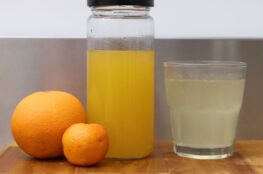
I love cordial. I don’t necessarily love just how much sugar can go into it so I am enjoying my Lite Citrus Cordial – a quick, lower-sugar homemade cordial.
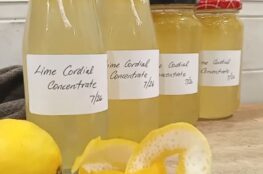
I’ve made a traditional full sugar Lime Cordial Concentrate before and there’s absolutely nothing wrong with it. It’s delicious, intense and syrupy, and designed to be diluted… but sometimes I don’t want a concentrate that is so sweet.
Enter Lite Citrus Cordial. It’s quick. It’s beautifully tart. It uses considerably less sugar than my original cordial concentrate and, best of all, it’s really more of a method than a recipe.
My starting point is ridiculously easy to remember: The 2–2–1 Lite Citrus Cordial
- 2 cups citrus juice
- 2 cups water
- 1 cup white sugar
- 1 teaspoon tartaric acid
That’s it.
I’ve made mine with lime juice and a version with pink grapefruit juice, but there’s absolutely room to play here. Lemon would be an obvious contender. Mixed citrus would be perfect for dealing with the bits and bobs left on the trees or lurking in the fruit bowl.
For naturally sweeter citrus such as orange or mandarin, I’d be inclined to start with less sugar (perhaps ½ to ¾ cup) and taste before deciding whether it needs more. Some fruit is sweet. Some will make your eyes cross. Work with what you’ve got.
Questions, Questions, Questions!
Why So Little Sugar?
Compared with my original Lime Cordial Concentrate, this is positively restrained. My original recipe, per 2 cups of lime juice, uses 3 cups sugar whereas this recipe is reduced to 1 cup of sugar – about two-thirds less added sugar for the same amount of juice.
When preserving acidic fruit, more sugar doesn’t automatically mean safer (after all fruit can be canned in water, juice or different strengths of sugar syrup). Sugar syrup helps maintain flavour, colour and texture, but doesn’t itself prevent spoilage, hence using the water bath method helps.
I wanted enough sugar to take the aggressive edge off the citrus without turning my lovely fresh juice into a sugar syrup with a citrus identity crisis.
Why Tartaric Acid Instead of Citric Acid?
This version also differs from my original cordial because I’m using tartaric acid rather than citric acid. So what’s the difference I hear you ask?
Citric acid occurs naturally in citrus fruit, so if you’re making lemon, lime, grapefruit or orange cordial, there’s already naturally occurring citric acid in your juice. It’s responsible for much of that familiar, bright citrus tartness. Food-grade citric acid is also commonly added to foods and drinks that adds acidity and sourness that you’d associate with citrus.
Tartaric acid is another naturally occurring food acid. It’s particularly associated with grapes and wine and gives a clean, sharp tartness. And no… tartaric acid isn’t the same thing as cream of tartar. They’re related, but I wouldn’t simply replace it teaspoon-for-teaspoon with cream of tartar.
When trying to describe the differences between the both, it can get a bit woolly! Both citric and tartaric acid add sourness – they’re just different acids, so the sourness tastes slightly different. Citric acid gives that familiar bright acidity we associate with citrus, while tartaric acid tends to give a more lingering, mouth-puckering tartness. I’m using tartaric because that’s the flavour profile I prefer in this lighter cordial.
Preserving My Lite Citrus Cordial
When I’m making a batch to put away rather than drink immediately, I use the water-bath method. I heat the cordial, hot-pack it into clean, hot jars, fit the lids and process the filled jars in a boiling water bath.
It’s worth making an important distinction here. Boiling-water canning is a recognised method of preserving sufficiently acidic foods, but this particular Lite Citrus Cordial is my own homemade recipe rather than a laboratory-tested canning recipe. So when I describe water-bathing it, I’m sharing how I preserve mine, rather than claiming that this exact recipe and processing schedule has been independently validated.
That’s also why I wouldn’t automatically assume that every possible citrus combination behaves identically. Lime cordial and sweet mandarin cordial may share a recipe idea, but they’re not identical foods. If you’re preserving your own recipes, follow sound water-bath preserving practices and established food-preservation guidance appropriate to the ingredients you’re using.
For unopened jars that I have water-bath preserved, I store them somewhere cool, dark and dry. Once opened, they go into the refrigerator.
Lite Citrus Cordial
Ingredients
- 2 cups freshly squeezed citrus juice
- 2 cups water
- 1 cup white sugar
- 1 tsp food-grade tartaric acid
Method
- Add citrus juice, water and sugar to a large saucepan.
- Heat gently, stirring until the sugar has completely dissolved.
- Add the tartaric acid and stir well. Continue heating until the cordial is piping hot and approaching a boil.
- Pour into hot sterilised bottles or jars. Use the water-bath method to assist with a great seal and stability.
Storage
If you’re making it for immediate use, allow it to cool and store it in the refrigerator.
Serve diluted with still or sparkling water to taste. Because this is a lighter cordial rather than a heavy concentrate, you may find you don’t need to dilute it nearly as much as a traditional cordial syrup.