Making the most of summer sunshine without using a single watt of electricity!
Summer is nearly here, the garden is producing faster than I can eat it, and my trusty electric dehydrator is getting a jolly good workout. But with all that glorious sunshine outside, do I really need to plug it in?
Our grandparents managed to dry fruit, herbs and vegetables long before electric dehydrators came along. So, in the spirit of making do with what we’ve already got, here are some cheap and cheerful ways to harness the summer sun!
I love my electric dehydrator. It’s predictable, convenient and doesn’t care whether the sun is shining or the rain is bucketing down. But there’s something wonderfully satisfying about using energy that’s already available for free. The goal isn’t necessarily to replace my electric dehydrator, but to find inexpensive alternatives and make the most of summer.
Because sometimes the best homesteading gadgets aren’t gadgets at all. Just sunshine, a little ingenuity and a willingness to give something a go!
1. The Greenhouse – A Walk-In Dehydrator!
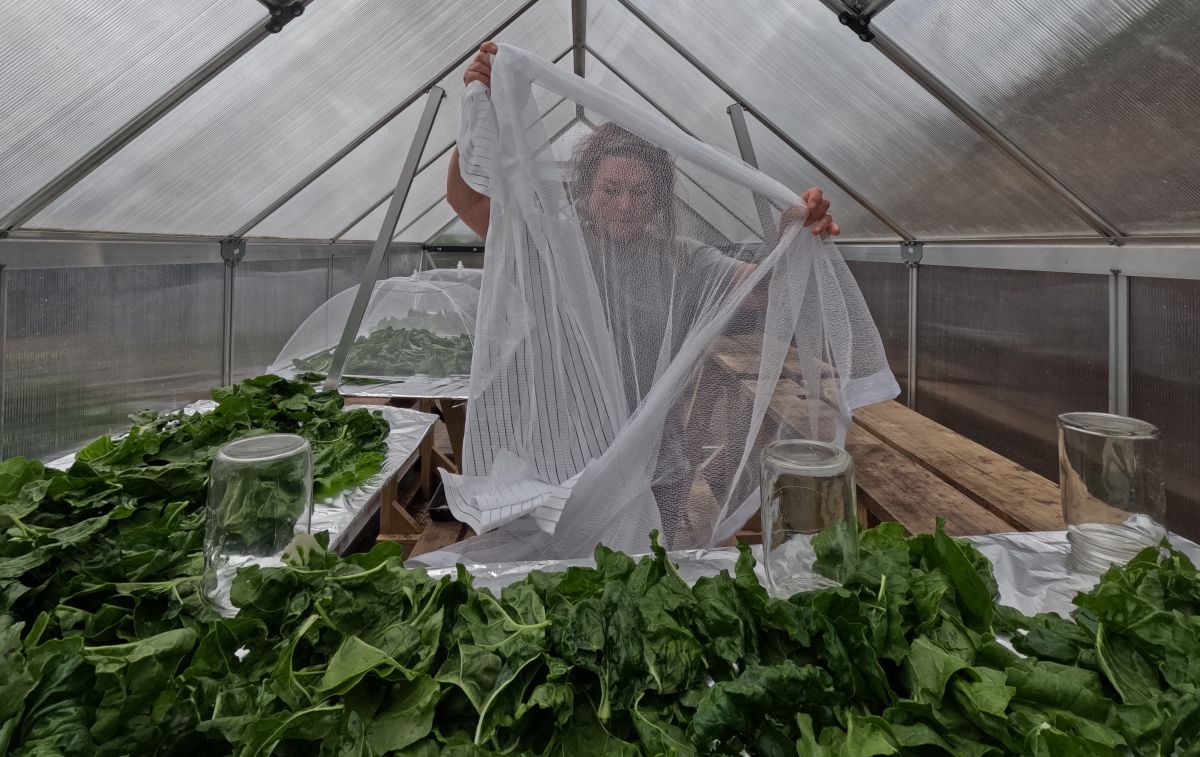
My greenhouse gets ridiculously hot. In mid November (not even summer) it cracked 60 degrees Celcius! Not particularly pleasant for me (or some of my plants, which have now been planted out), but potentially brilliant for dehydrating!
With a few mesh shelves, a thermometer and good ventilation, it has become a giant walk-in dehydrator.
I have discovered that the trick is airflow. Warm air needs to circulate around the produce, carrying moisture away. Without ventilation, you’ll have a humid sauna rather than a dehydrator! Start with herbs, keeping them out of direct sunlight to preserve their colour and flavour. Wetter produce needs more controlled drying conditions.
2. The Car Dashboard – Four Wheels and a Free Oven!
Ever climbed into a car that’s been parked in the summer sun? Crikey, it’s like an oven! A car dashboard can get incredibly hot, making it tempting to use for drying herbs.
You could experiment with a small food-safe mesh tray raised above the dashboard, but there’s a catch. Cars aren’t particularly well ventilated, so moisture gets trapped.
My thoughts: A fun experiment for a few herbs, but not a reliable method for preserving fruit or vegetables. Hot doesn’t necessarily mean dry!
3. The DIY Solar Dehydrator
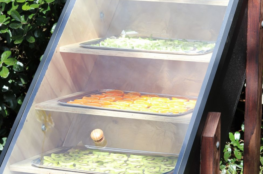
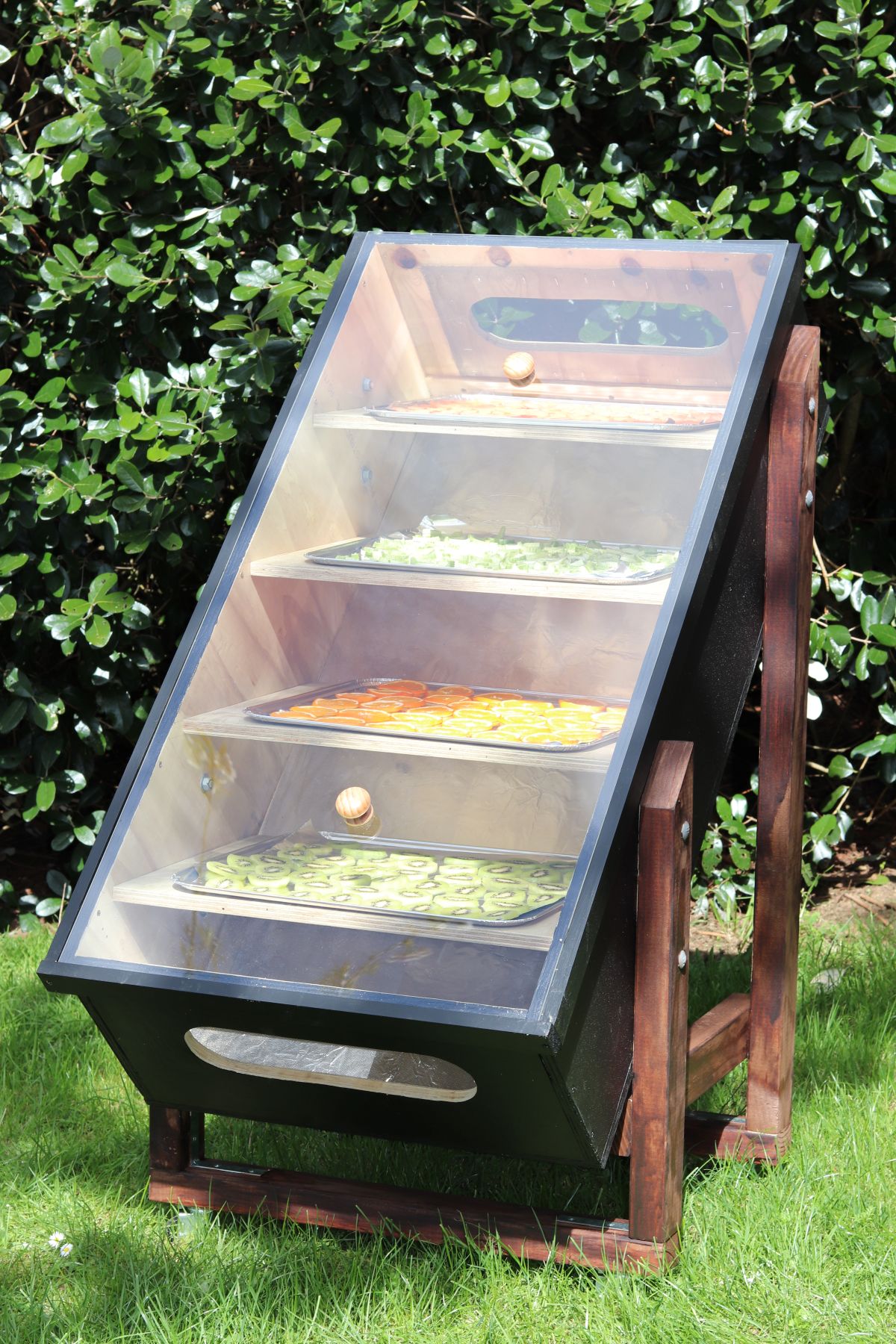
I made one of these for a magazine! Using recycled timber, food-safe mesh, a clear cover and a dark heat-absorbing surface, you can build a solar dehydrator.
Sunlight warms the air, which rises through the drying chamber, carrying moisture away through screened vents. The food can remain shaded, helping preserve colour and flavour.
Of all the unplugged options, this is the one that while it takes a bit of effort to make, is reliable and ticks all the boxes. It’s cheap (once you’ve made it), practical and no power bill! Check our how to make a DIY Solar Dehydrator.
4. The Good Old-Fashioned Hanging Hack
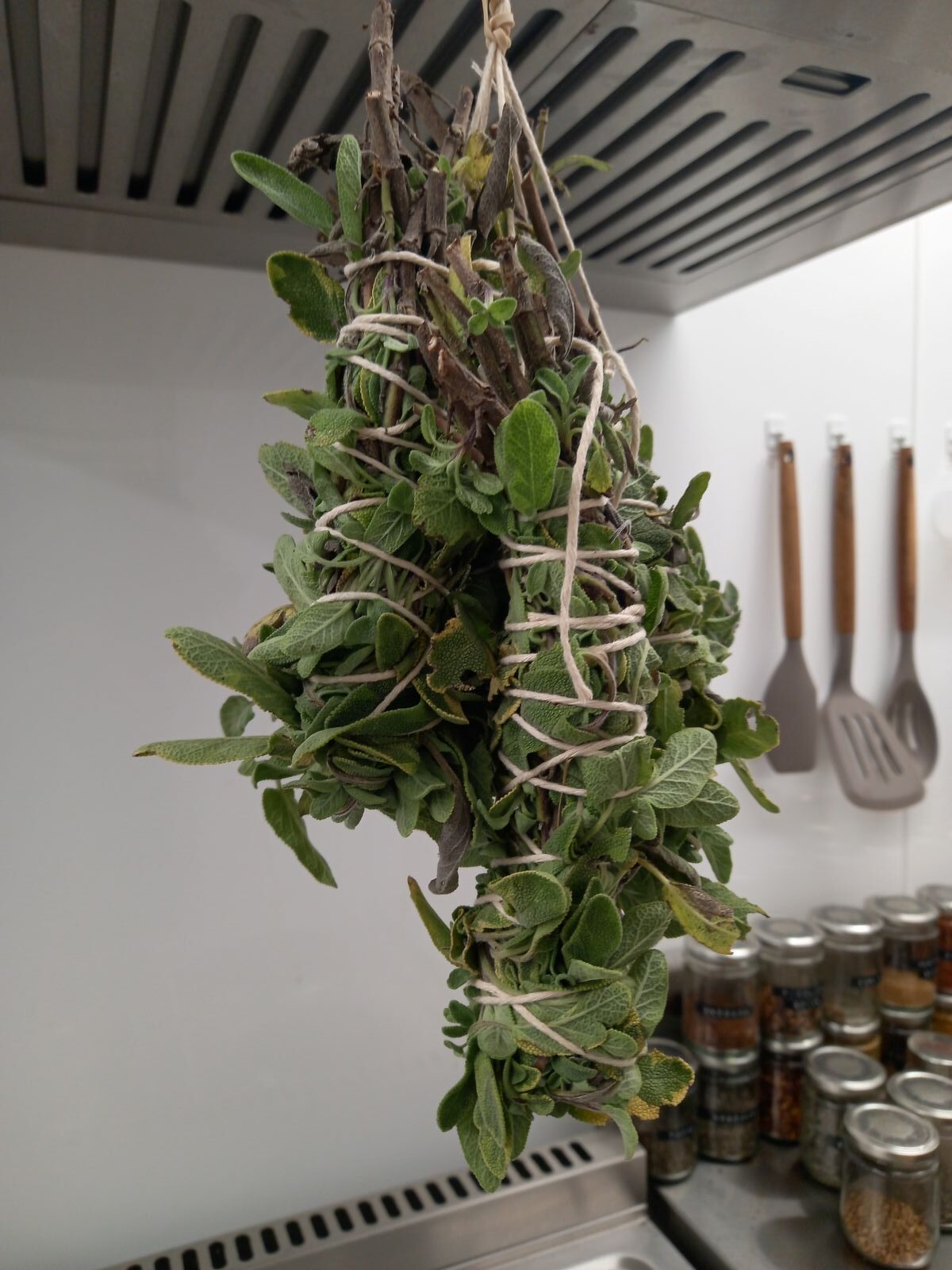
Sometimes the simplest ideas are the best. Rosemary, thyme, oregano and sage can be tied into small bunches and hung somewhere warm, dry, shaded and breezy. Alternatively, spread herbs across mesh screens, allowing air to circulate underneath. Job done!
Just watch the humidity. New Zealand summers aren’t always as dry as we’d like, and damp herbs can quickly turn mouldy. (Note, my sage bundles below were intentionally tied tight, but usually I would allow the stems to splay to allow more air-flow).
5. The Old Window Screen
Got some leftover timber or an old window frame? Stretch food-safe mesh across a wooden frame and you’ve got yourself a drying tray. Stack several with spacers between them, protect against insects, and position somewhere warm and breezy.
Perfect for experimenting with herbs, although I’d avoid old painted frames, rusty screens or unknown mesh materials.
A Few Things Worth Remembering
Dehydrating isn’t just about heat. You need three things working together:
- Heat to evaporate moisture.
- Airflow to carry moisture away.
- Low humidity to keep the drying process moving.
Herbs are generally the easiest candidates for unplugged drying. Juicy fruit and vegetables require more consistent temperatures and carefully controlled conditions.
For outdoor sun drying, reliably hot days (around 30°C or above) and humidity below 60% are recommended for suitable fruits. That’s not always easy in New Zealand!
Bring drying trays indoors before evening dampness sets in, and never store food until it’s thoroughly dried. If drying is taking too long or spoilage develops, don’t risk it.
Happy dehydrating!