With the ramifications of Covid-19 in New Zealand, from stockpiling to food rationing, we should now, more than ever, embrace a war-time approach to some aspects of our lives.
Whilst there is NO shortage of fresh vegetables (we are told), and may indeed never be a shortage, anything we can grow at home will only help ease pressure on food supply chains…plus it will make your budget stretch further, make you more resourceful and is very satisfying!
Where possible, take self-responsibility not to burden supermarkets and instead, turn our attention to our own backyards.
Anyone can grow small amounts of food, despite your living situation. From windowsills to balconies, buckets and small sections of your garden – all you need are seeds, soil and water. In this regard, nature is our best friend.
Where do you start?
Collect Seeds
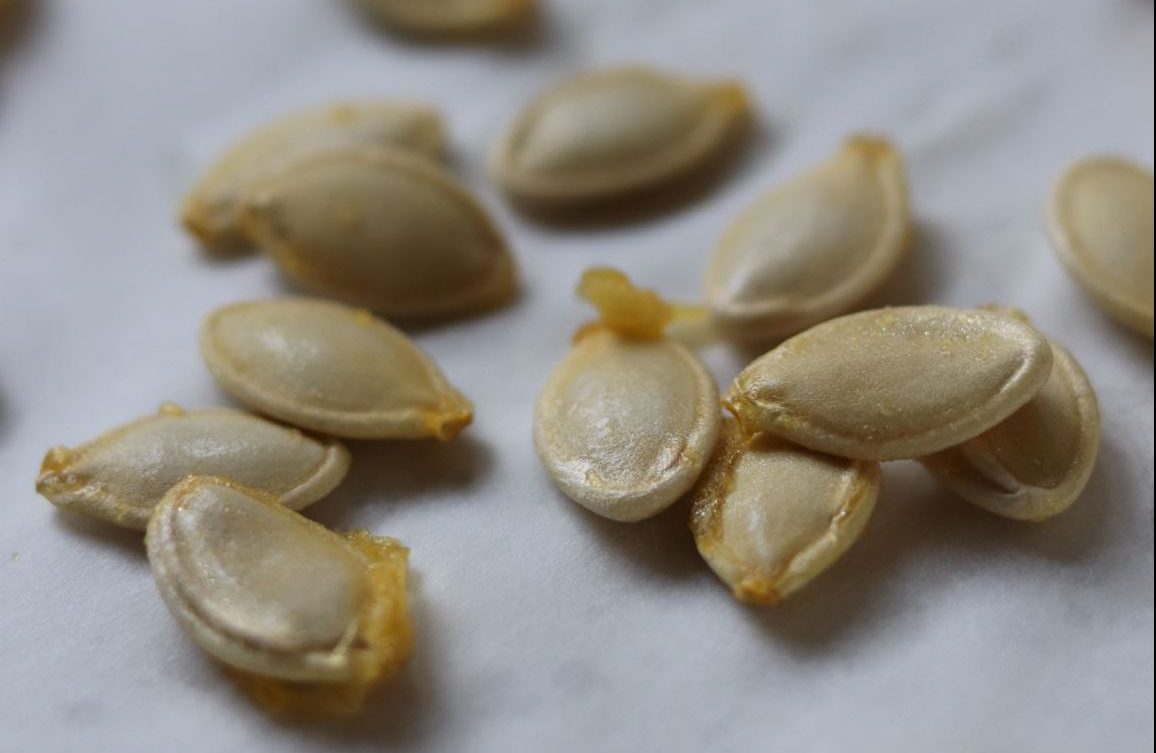
Make it your new routine! From freshly cut tomatoes, capsicum, pumpkins and marrow to name a few, save some seeds and dry them on paper towels or baking paper. Once thoroughly dry save in separate envelopes, name them, date them, and store in a dark place until planting season. Here’s a free downloadable DIY seed saving envelope template, if you don’t have any ready-made handy.
Rummage around your garage to find packets of seeds you may have been storing or gifted over time. Note, seeds do ‘expire’ over time. If you are unsure, plant anyway in a seedling tray. You may find the success rate may diminish, but don’t give up too quickly!
Check my experience with growing vegetables from seeds.
Windowsill Gardening
Turn your herbs into an indoor feature.
If you buy fresh herbs in pots from the supermarket, re-pot them into a slightly bigger container and water regularly. They tend to shrivel up otherwise or the stems become feeble.
TIP: if you have purchased cut herbs, eat what you can and dry what you can’t. DIY dried herbs are ever-so-handy to have in the kitchen.

You may wish to try growing from cuttings too. For this, cut stems relatively short leaving some green leaves at the top. Pop into a jar, refresh water regularly so it doesn’t go slimy, and see how you fair. Growing mint from cuttings is particularly easy.

Grow your own seeded sprouts. Sprouts are a natural source of vitamins, minerals, enzymes, trace elements, amino-acids and proteins. They are a wonder-food that are delicious used in a number of ways, raw or cooked. Many seeds and dried pulses can work this way – including radish, pea, chick pea, mung beans, alfalfa, fenugreek, sunflower, lentil, and broccoli. Watch them grow before your eyes. Edible within 7-10 days from the comfort of your kitchen.

Patio Planting & Portable Gardening
Choose a warm, sheltered patio or deck area to grow winter veggies and herbs in pots, easy-to-move containers. Maneuverability is key so you can follow the sun or protect them from frost later in the season. Think winter lettuce, spinach, silverbeet or chard, parsley and kale – they grow well in pots. Personally, I choose to stay away from celery as it takes quite some time to grow and isn’t such a productive choice (better for the veggie patch if you have the luxury or room).
My picks are spinach, silverbeet and kale – baby leaves can be harvested without disturbing the plant so it continues to grow, and older more established can be eaten too (just chop out the centre stems as they can get a bit stringy if the leaves get too mature).

Reduce Food Waste
Be more aware of your fresh produce and what are considered ‘scraps’. Save chopped ends, peelings etc for Vegetable Stock. I always have a sealed bag in the freezer that I top up each day with fresh food scraps. Once the bag is full, I empty the contents into a pot of water on the stove and brew delicious homemade stock. The cooked-from-frozen food scraps, that have been drained from their delicious goodness, then can be added to the compost.
Compost Food Scraps
This may prove more of a challenge for apartment dwellers, but not so for anyone with a backyard – regardless of how small. Not only is this an instant solution for food waste, and avoiding unnecessary organic material reaching our landfill, it makes for perfect compost in a few months time.
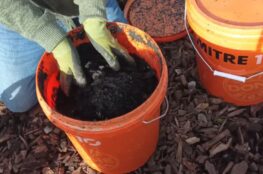
Greens, browns, air and moisture is all you need. Greens (nitrogen rich plant matter such as fresh grass clippings, weeds, fruit and vegetable clippings/peelings – ‘fresh’ matter) and browns (carbon rich twigs, plant stalks, dry leaves, sawdust, tea bags – literally ‘dead’ matter) will see you through. Anything that comes from the ground can go back into the ground (so that means no meat scraps).
Great compost doesn’t smell. It is black, rich, and oozing with worms. With a good compost you want to make it as efficiently as you can, with minimal effort and maximum results – so you can start putting your compost to good use. Here’s my tips on how to make your own compost.