Coffee grounds in the garden: should you use them? If you’re a coffee drinker, or frequent cafes for a takeaway cup of caffeine, before the used coffee grounds end up in the bin, it’s worth knowing that they can become a valuable resource in your garden.
The trick is understanding what they actually do.
One of the biggest myths is that coffee grounds are a fantastic fertiliser. In reality, that’s not where their biggest benefit lies. Coffee grounds feed the soil, not the plant. Healthy gardens begin with healthy soil.
Used coffee grounds are rich in organic matter, and as they decompose they become food for beneficial bacteria, fungi and other microorganisms living beneath the surface. These tiny organisms break down organic material and gradually release nutrients that plants can absorb.
Rather than feeding your tomatoes or roses directly, you’re feeding the entire soil ecosystem that supports them. As coffee grounds break down, they increase organic matter in the soil. This helps improve water retention in sandy soils, improve drainage and aeration in heavy clay soils, create a healthier and crumbly soil structure, and supports beneficial microbial life. It’s a slow process, but one that pays dividends over time.
Coffee Grounds for your Soil
Coffee grounds contribute modest amounts of nutrients including:
- Nitrogen
- Potassium
- Phosphorus
- Magnesium
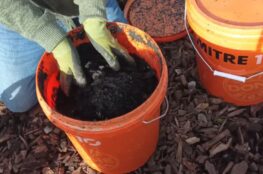
They’re not concentrated enough to replace fertiliser, but they become part of the natural nutrient cycle as they decompose. Can you put them straight on the garden? Yes, but lightly. A thin sprinkle around established plants is perfectly acceptable.
Avoid creating thick layers, as these can compact together and become surprisingly water-repellent, preventing moisture and oxygen from reaching the soil.
Coffee Grounds for the Compost
My favourite place for coffee grounds is the compost heap. They’re considered a nitrogen-rich “green” ingredient and combine beautifully with dry leaves, shredded cardboard, straw or paper. Together they help create nutrient-rich compost while feeding beneficial microbes throughout the decomposition process. They’re also an excellent addition to worm farms in moderation.
“What about acidity?” you may well ask. Fresh coffee is acidic, but after brewing, most of those acids are in your cup, not in the used grounds. Brewed coffee grounds are close to neutral, so they won’t significantly acidify your soil.
The bottom line is that coffee grounds aren’t a miracle fertiliser. They’re something much better. They’re free organic matter that helps feed your soil, encourages beneficial microbes, improves soil structure and keeps valuable material out of landfill.
So next time you make your morning coffee, don’t think of those used grounds as waste. Think of them as a little gift for your soil. After all, healthy plants begin with healthy soil.
Do Coffee Grounds act as Pest Repellent?
There are lots of gardening tips online claiming coffee grounds repel all sorts of pests, but the scientific evidence is mixed. While some gardeners swear by them, the scientific evidence is mixed. Used coffee grounds simply don’t contain enough caffeine to be a reliable pest control, so I wouldn’t use them for that purpose. Think of them as a way to improve your soil, not as a pesticide
SLUGS & SNAILS
This is the most common claim.
Fresh caffeine can be toxic to slugs and snails at high concentrations.
Used coffee grounds, however, contain much less caffeine after brewing.
Some gardeners report fewer slugs, while others see no difference at all.
Research has generally found that a ring of used coffee grounds is not a consistently effective barrier.Verdict: Might help a little, but don’t count on it.
ANTS
Some people find coffee grounds temporarily discourage ants because they interfere with their scent trails.
Verdict: Temporary at best.
CATS
Many gardeners say cats dislike walking on coffee grounds or dislike the smell.
Verdict: Anecdotal. It works in some gardens but not others.
POSSUMS, RABBITS & LARGER PESTS
There’s very little evidence that coffee grounds reliably deter larger animals.
Verdict: Don’t expect much.
So the next time you go out for coffee, ask politely for any used coffee grounds. If they are not already on offering (as some cafes or service stations actively promote giving the grounds away), others may be more than happy to gift you theirs rather than them ending up in the rubbish bin.