There’s something optimistic about a garden that reseeds itself. Not rows-of-perfectly-labelled-seedlings optimistic, but more of the kind of optimism that says, “Well… apparently we’re growing tomatoes over here now.”
In wilding gardens especially, letting a few plants go to seed can become part of the cycle of things. The scruffy look of a bolting spinach plant or a towering parsnip flower doesn’t feel out of place amongst the chaos. In fact, it often adds to it. The garden starts behaving less like a controlled project and more like an ecosystem with its own plans.
Some reseeding happens intentionally of course, and some happens because life got busy and you forgot to pull something out in time. Either way, the garden usually has the last laugh.
I’m still finding random parsnips popping up in the strangest places. Not in the vegetable beds where they were originally planted, of course. That would be too sensible. No, they appear almost anywhere the wind can scatter the seeds or the birds distribute (which is virtually anywhere).
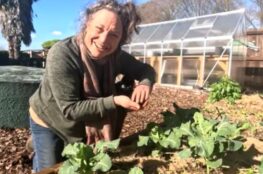
Meanwhile, tomato seedlings from two seasons ago are suddenly springing up in my capsicum patch. Tiny little volunteers appearing out of nowhere as if they’ve been patiently waiting underground for their moment. It just so happens we’re just a few days away from the official start to winter, so that is a huge surprise! It must be the warm autumn we’ve had and the garden has got confused! So off I go again, carefully digging them up, potting them into trays in the greenhouse, and accidentally getting ahead of myself for spring before winter has even fully packed its bags.
There’s something quite satisfying about free plants. Particularly when they’re plants that already proved themselves in your garden previously. Those self-seeded tomatoes often come from the strongest survivors — the ones that handled your climate, your soil, your neglect, and whatever questionable weather the season threw at them.
Some vegetables seem especially determined to carry on the family line. Native spinach is one of the great overachievers here. Once it decides it’s happy, seedlings begin appearing everywhere. Regular spinach also happily bolts and scatters seed if left long enough, often gifting you surprise patches months later when conditions suit.
Parsley does it too. One minute you’ve got a slightly tired old parsley plant throwing up flower stalks. The next minute you’ve somehow inherited 400 baby parsley plants whether you wanted them or not.
Rocket is another classic for this. Let it flower once and you’ll likely never need to buy seed again.
Of course, there’s a balance. In smaller raised beds, reseeding works best when things are somewhat contained. Otherwise one enthusiastic self-seeder can completely take over and suddenly you’re farming only spinach and regret.
But in larger gardens, food forests, or looser backyard spaces, letting some plants complete their full life cycle makes the whole garden feel more alive. Flowers attract pollinators. Seed heads feed birds. Tall drying stalks become shelter for insects. And occasionally, the garden quietly replants itself for you while you’re busy doing something else.
Not every plant needs to be pulled the moment it stops looking productive. Sometimes the messy stage is where the magic starts.